Alanta: The Handwritten Font That Feels Like a Conversation
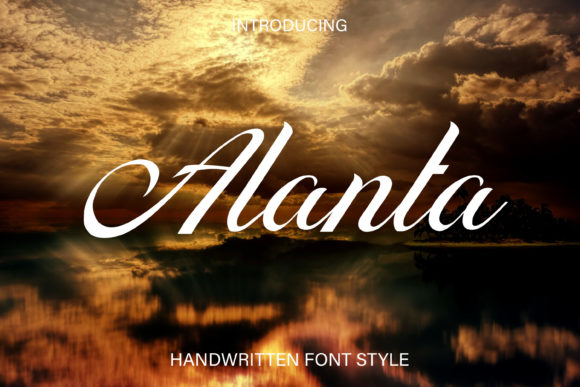
There’s a moment in every creative project where the typeface either disappears into the background or steps forward to shake the viewer’s hand. Alanta is that confident, friendly handshake—a handwritten font with a cursive flow that manages to feel both personal and polished. It doesn’t scream for attention with wild flourishes or illegible loops. Instead, it offers a quiet elegance, the kind that makes a wedding invitation feel heartfelt, a boutique logo feel approachable, and a social media quote feel like it was penned just for you. If you’ve ever struggled to find a script font that balances personality with readability, Alanta might just be the missing piece in your design toolkit.
Why This Typeface Stands Out in a Sea of Scripts
Walk through any font library, and you’ll find hundreds of handwritten options. Many fall into two extremes: either too casual and messy for professional use, or so overly refined they lose their human touch. Alanta sits in a thoughtful middle ground. Its letterforms have a natural, slightly varied baseline that mimics real handwriting, but the consistency of the strokes and the carefully considered spacing keep it legible at smaller sizes. The “a” and “l” connect with a gentle flow, the “n” and “t” have a subtle bounce—these details give it rhythm without overwhelming the eye. It’s a premium font that feels accessible, designed for creators who want warmth without sacrificing clarity.
Think about the last time you received a note written in a beautiful, flowing script. It probably felt more intimate than typed text. Alanta taps into that psychology. When used in branding, it can make a small business feel more human and trustworthy. For bloggers, it adds a layer of authenticity to headers or pull quotes. Even in digital products like planners or worksheets, it brings a tactile, crafted quality that sterile sans-serif fonts often lack. This isn’t just about aesthetics; it’s about creating an emotional connection through typography.
Practical Applications That Go Beyond Pretty Letters
The true test of any font is how it performs in the wild—across different mediums, sizes, and contexts. Alanta’s versatility is one of its strongest assets. Here’s where it truly shines:
- Brand Identity & Logo Design: For businesses that want to convey approachability—think bakeries, boutique studios, consultancies, or artisan shops—Alanta works beautifully as a primary or secondary logo font. Pair it with a clean sans-serif for body text, and you have a brand system that feels both professional and personal.
- Packaging & Labels: Imagine Alanta on a coffee bag, a candle label, or a skincare product. Its handwritten style suggests craftsmanship and care, instantly elevating the perceived value of a physical product.
- Social Media & Digital Content: In a feed crowded with generic fonts, Alanta helps graphics stand out. Use it for Instagram quotes, Pinterest pins, or YouTube thumbnails to add personality without compromising on readability, even on small screens.
- Print Materials & Invitations: From wedding stationery to event posters, Alanta brings a celebratory, elegant feel. Its cursive style is perfect for headlines or names, while its clarity ensures guests can read the details at a glance.
- Websites & Blogs: Use it sparingly but strategically—for author names, section headers, or featured article titles. It adds a touch of editorial flair without slowing down page readability.
- Editorial & Publishing: In magazine layouts or book covers, Alanta can highlight quotes, chapter titles, or pull-out boxes, creating visual interest and guiding the reader’s eye.
The key is intention. A font like Alanta isn’t meant for body paragraphs of text—that’s where a sturdy serif or sans-serif steps in. But as a display font for accents, headlines, and key phrases, it becomes a powerful tool for visual storytelling.
Pairing Alanta with Other Fonts: A Designer’s Balancing Act
Choosing a font is only half the battle; knowing how to pair it is where the magic happens. Alanta’s handwritten nature means it craves contrast. Placing it next to another script font will create visual chaos, but pairing it with a structured, neutral typeface lets its personality breathe.
For a clean, modern look, try combining Alanta with a geometric sans-serif like Montserrat or Poppins. The simplicity of the sans-serif grounds the fluidity of the script, creating a hierarchy that’s easy to navigate. If your project calls for more tradition or warmth, a classic serif like Lora or Playfair Display can add a layer of sophistication—imagine Alanta for the main logo and a serif for supporting text on a restaurant menu.
Always test your pairings in context. Mock up a business card, a social media post, or a website header. Check the sizing: does Alanta remain legible at 24 points? Does it overpower the secondary font at 60 points? Readability is non-negotiable. A beautiful font that can’t be read is just decoration.
Thinking About Licensing and Long-Term Use
Before you integrate any font into your professional workflow, it’s wise to understand the licensing. Alanta, as a commercial font, typically comes with a license that covers specific uses—desktop, web, app, or server. If you’re a small business owner creating a logo, a desktop license might suffice. If you’re a web designer embedding the font on client sites, you’ll need to ensure the license covers web usage. Many premium fonts offer clear, tiered licensing, so you only pay for what you need. Always review the terms to avoid headaches down the road, especially if you plan to use the font in merchandise or digital products for sale.
Fonts are more than just files; they’re design assets that contribute to your brand’s visual language. Investing in a quality typeface like Alanta means you’re building consistency. Every time a customer sees that familiar, friendly script, they’ll associate it with your brand’s voice and values. That kind of recognition is priceless in a crowded market.
Final Thoughts on Letting Alanta Tell Your Story
Typography is one of the most subtle yet powerful tools in visual communication. The right font doesn’t just display words; it sets a mood, builds trust, and guides the viewer’s experience. Alanta offers a rare blend of elegance and approachability, making it a versatile choice for anyone from a solopreneur crafting their first brand identity to a seasoned designer looking for a fresh script font. It’s not about chasing trends—it’s about finding a typeface that feels authentic to your project’s soul.
So, if you’re tired of settling for fonts that are either too rigid or too wild, give Alanta a test drive. Mock it up on your next project. See how it feels in your hands. Sometimes, the right font doesn’t just complete a design—it transforms it.