Bee Book Font: The Delicate Script for Modern Branding
There’s a moment in every design project where the typography either sings or falls flat. You’ve got the perfect color palette, the imagery is spot-on, but the text feels… generic. That’s where a typeface with a distinct personality, like Bee Book Font, can completely transform your work. This isn’t just another script font; it’s a crafted tool for designers and entrepreneurs who need to inject a touch of elegance and authenticity into their visual communication. Its flowing, handwritten character strikes a beautiful balance between sophistication and approachability, making it a versatile player in your design toolkit.
A Typeface That Feels Personal
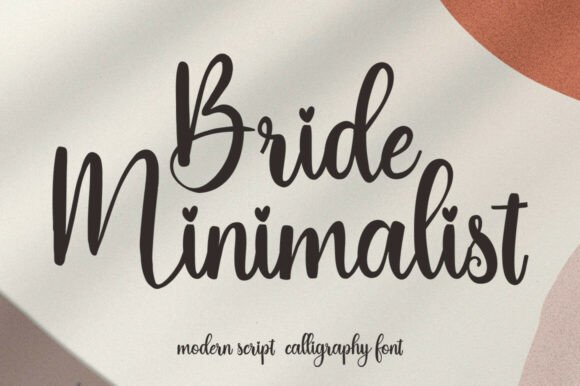
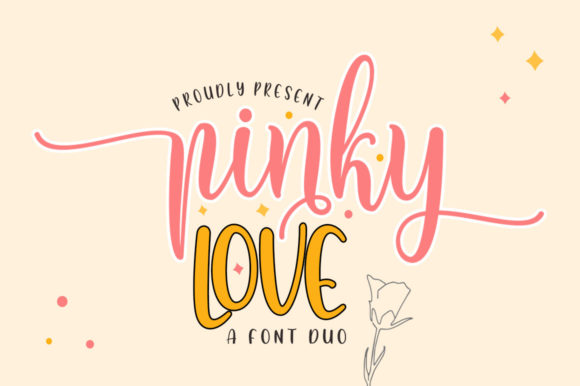
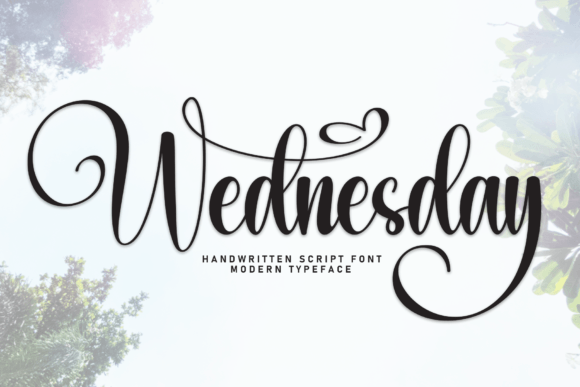
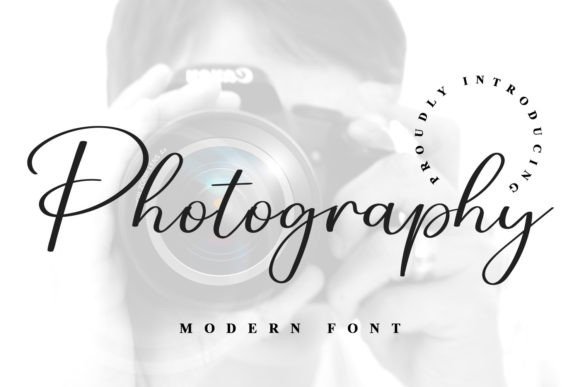
What sets Bee Book Font apart is its delicate, fashionable script style. The letterforms have a natural, fluid rhythm, as if written with a confident hand using a fine-tipped pen or brush. This gives it an inherent warmth and personality that sterile, geometric fonts often lack. It’s a premium font that feels human. The subtle variations in stroke weight and the elegant connections between letters create a sense of movement and grace. This makes it particularly effective for projects where you want to establish an emotional connection with your audience—think wedding stationery, boutique branding, or artisan product labels.
However, its delicacy is also something to consider with care. While beautiful, a highly detailed script font like this is typically best suited for larger text applications: headlines, logos, short phrases, and pull quotes. For body copy, pairing it with a clean, highly readable sans-serif or serif font is not just a suggestion—it’s essential for maintaining clarity. This is where understanding font pairing becomes your superpower. Using Bee Book for a striking headline on a website or brochure, and then switching to a simple sans-serif for the supporting text, creates a dynamic and professional hierarchy that guides the reader’s eye effortlessly.
From Brand Identity to Social Media
Let’s talk practical application. Where does a font like this truly shine? Imagine you’re a small business owner launching a skincare line. Bee Book Font could be the cornerstone of your brand identity. Use it for your logo to convey a sense of natural, handcrafted care. Carry it onto your product packaging for the brand name, while using a minimalist font for ingredient lists. On your website, it can headline your "About Us" story, making your brand’s origin feel personal and compelling. For social media graphics, it’s perfect for crafting beautiful quotes, announcing sales with a touch of class, or creating cohesive Instagram Story templates that feel uniquely yours.
The applications extend far beyond just digital branding. Consider the world of editorial design and print materials. A baker could use it for the title of a recipe booklet. A wedding planner might design breathtaking invitations and menus with it. For marketing assets, it can elevate a PDF guide, make a Facebook ad stand out in a crowded feed, or add a signature touch to email newsletters. The key is to see it as a design asset for accentuation. It’s the typographic equivalent of a beautiful piece of jewelry—it accessorizes and elevates the main outfit, which is your overall layout and content.
Matching the Font to Your Project’s Voice
Choosing the right creative font is less about what’s trendy and more about what communicates your message. Before you dive in, ask yourself: What is the core personality of this project? Is it luxurious, playful, romantic, or minimalist? Bee Book Font leans into a space that is elegant, romantic, and gently sophisticated. It’s perfect for projects targeting audiences who appreciate beauty, craftsmanship, and a personal touch.
When integrating it, always test for readability in context. Place your mockup on a phone screen, print it out, or view it from a distance. Does the delicate script remain legible at the size you intend to use it? Often, adding a slight drop shadow or placing it over a simpler background can enhance its clarity. Furthermore, take the time to review all the included font styles. Many premium script fonts like this come with alternates, ligatures, and swashes. These are not just extras; they are tools to refine your design, allowing you to customize letter connections and flourishes to avoid repetitive patterns and achieve a truly bespoke look.
Beyond the Aesthetics: Commercial Considerations
For anyone using a font in a commercial context—from a freelance designer creating a client logo to an entrepreneur selling merchandise—licensing is a non-negotiable detail. A true commercial font comes with a clear license that outlines permitted uses. Always ensure you have the correct license for your project, whether it’s for a single client, multiple clients, or for creating products for sale (like t-shirts or mugs). Respecting font licensing protects you legally and supports the type designers who create these beautiful tools we rely on.
Ultimately, integrating a typeface like Bee Book Font into your workflow is about expanding your expressive range as a visual communicator. It’s a specific tool for a specific job: to add a layer of handcrafted elegance and personality. By using it strategically—for headlines, logos, and key accents—and pairing it wisely with more neutral typefaces, you can create designs that are not only visually stunning but also clear, professional, and deeply resonant with your intended audience. It’s about making your typography work as hard as your other design elements to tell your story.