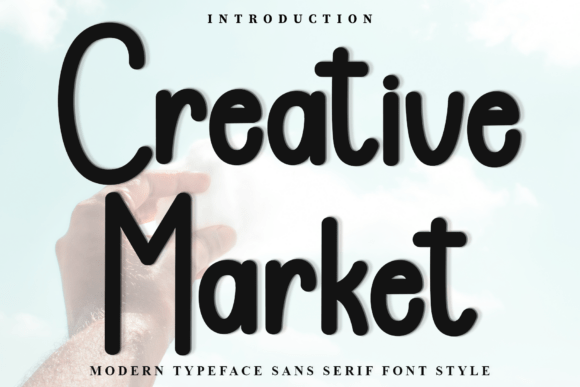
Handsome: A Font That Balances Character and Versatility
There’s a particular kind of typography that stops you mid-scroll. It doesn’t shout, but it speaks clearly. It feels both familiar and fresh. That’s the experience of encountering the Handsome font—a creative market typeface designed with a soft, distinctive touch that makes it immediately memorable. In a landscape saturated with generic fonts, finding one with genuine personality is like discovering a hidden gem for your next project.
The Visual Appeal: Soft Strokes with Purpose
What makes Handsome stand out? It begins with its carefully crafted letterforms. The strokes have a gentle, rounded quality that feels approachable and modern without sacrificing clarity. Each character carries a subtle uniqueness—perhaps in the curve of a lowercase ‘a’ or the terminal of a ‘g’—that gives the font a special character. This isn’t just another modern typeface; it’s a premium font with intentional design choices that make it feel meaningful.
The versatility of this creative font is where its true strength lies. It walks a beautiful line between being distinctive enough to be recognizable and neutral enough to adapt to various contexts. Whether you’re working on logo design for a boutique brand or crafting social media graphics for a lifestyle blog, this font maintains its identity while serving the project’s needs. Its compatibility across different applications—from Windows to open-source platforms—ensures a smooth workflow regardless of your preferred design environment.
Practical Applications Across Creative Fields
Let’s talk about where a font like Handsome truly shines. Its balanced personality makes it suitable for a surprisingly wide range of applications, each benefiting from its unique characteristics.
For brand identity work, this font becomes a cornerstone. Imagine using it for a wellness brand’s packaging—the soft strokes convey gentleness and care. For a artisanal coffee shop’s logo, it communicates warmth and authenticity. The font’s natural style helps create visual consistency across touchpoints, from business cards to website headers, building brand recognition through a cohesive typographic voice.
In the realm of editorial design and digital products, Handsome proves its worth as a display font that doesn’t sacrifice readability. Use it for chapter headings in an e-book, section dividers in a magazine layout, or call-to-action text in a marketing email. Its distinctive character makes text scannable while adding visual interest—exactly what you need when competing for attention in crowded inboxes or feeds.
The applications extend beautifully into physical products and marketing assets:
- Packaging design for cosmetics, gourmet foods, or handmade goods
- Poster design for events, galleries, or promotional campaigns
- Merchandise like tote bags, mugs, or apparel where typography is the hero
- Invitations for weddings, corporate events, or product launches
- Print materials including brochures, catalogs, and stationery
Matching Typography to Your Project’s Goals
Choosing the right font isn’t just about aesthetics—it’s about communication. Handsome works best when its personality aligns with your project’s objectives. Ask yourself: What emotion should this design evoke? Who is the audience? What’s the primary medium?
For projects requiring a modern typography feel with warmth, this font delivers. It’s particularly effective for brands targeting audiences who appreciate authenticity and craftsmanship—think independent retailers, creative studios, or wellness professionals. The font’s approachable nature helps build trust, while its distinctive character ensures memorability.
When considering font pairing, Handsome plays well with others. Pair it with a clean sans serif font for body text in web design to maintain readability while letting the headings make a statement. For a more expressive approach, combine it with a complementary script font or handwritten font for special elements like quotes or highlights. The key is testing different combinations to find the right balance between personality and function.
Practical Considerations for Professional Use
Before incorporating any commercial font into your work, there are practical matters to address. First, examine the full character set. A quality font like Handsome typically includes multiple styles—perhaps regular, bold, and italic variations—that give you flexibility in creating hierarchy and emphasis within your designs.
Readability should always be a priority, especially for web design and longer text passages. Test the font at various sizes and on different backgrounds to ensure it performs well in real-world conditions. While Handsome excels as a display font for headlines and short text blocks, you’ll want to pair it with a highly legible typeface for body copy in most applications.
Don’t overlook licensing. A premium font from Creative Market typically comes with clear commercial licensing, but it’s always wise to review the terms. Understand whether the license covers your specific use case—whether it’s for a single client project, multiple products, or unlimited commercial work. This due diligence protects both your investment and your professional reputation.
Finally, consider how this typography choice contributes to your overall design assets ecosystem. A font with personality like Handsome can become a signature element of your visual language, but it should work harmoniously with your other design elements—color palettes, imagery, and layout principles—to create a cohesive experience for your audience.
The right typography does more than display words—it communicates values, establishes mood, and guides the viewer’s experience. Handsome offers that rare combination of distinctive character and practical versatility, making it a valuable tool for anyone who understands that great design is about thoughtful choices, not just aesthetic ones. Whether you’re building a brand from scratch or refreshing an existing visual identity, a font with this kind of thoughtful design can help bridge the gap between what you want to say and how your audience experiences it.