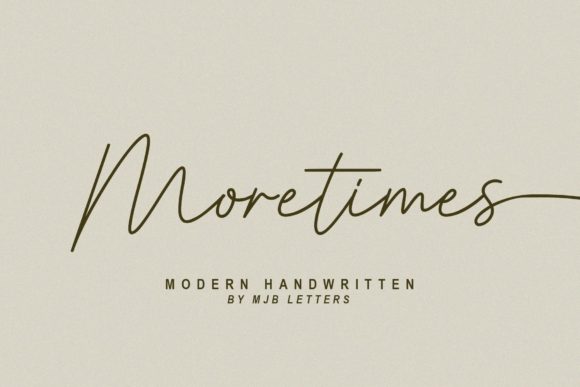
Moretimes Font: A Handwritten Typeface for Modern Designers
You know the feeling. You’re working on a project—a logo for a new boutique, an invitation for a friend’s wedding, a quote graphic for your Instagram—and you’re scrolling through font after font. Nothing feels quite right. The script fonts are too fussy, the serifs are too formal, and the sans-serifs lack that personal touch you’re aiming for. That’s where a typeface like Moretimes Font enters the picture. It’s not just another handwritten font; it’s a tool designed to bridge the gap between organic warmth and modern, polished design, giving you the flexibility to make a project truly yours.
Understanding the Visual Appeal of a Modern Handwritten Font
At its core, Moretimes is a premium font that captures the essence of natural, flowing handwriting without sacrificing legibility or versatility. The letterforms have a clean, contemporary feel—think of a skilled calligrapher’s confident strokes rather than a hurried scrawl. What sets it apart is the inclusion of alternate characters for every uppercase and lowercase letter. This isn’t just a stylistic flourish; it’s a practical feature that allows you to customize your typography to avoid repetition, create visual interest, and tailor the font’s personality to match your specific project’s tone.
For anyone involved in visual communication, this kind of adaptability is gold. Whether you’re a small business owner crafting your brand identity or a content creator designing daily social media posts, having a font that can shift from elegant to approachable with a simple glyph swap is incredibly powerful. It helps maintain a cohesive yet dynamic look across various applications, which is a cornerstone of strong branding.
Practical Applications: From Brand Identity to Digital Products
The true test of any creative font is how it performs in the wild. Moretimes’ PUA encoding means all its stylistic alternates and swashes are easily accessible in any design software, making it a practical choice for a wide range of projects. Here’s where it can shine:
- Logo Design & Branding: A logo sets the first impression. The elegant flow of Moretimes can convey creativity, craftsmanship, and a personal touch—ideal for lifestyle brands, boutiques, studios, and artisan products. The alternates let you craft a unique wordmark that stands out.
- Packaging & Merchandise: On product labels, tags, or packaging, this handwritten font adds an artisanal, high-quality feel. It works beautifully for product names, taglines, or descriptive text that needs to connect emotionally with customers.
- Wedding & Event Invitations: For stationery designers, Moretimes offers a perfect blend of romance and readability. Use it for names, headers, and key details to create invitations that feel personal and bespoke.
- Social Media & Web Design: In the fast-paced world of digital content, a distinctive font can stop the scroll. Use Moretimes for impactful quotes, story highlights, website headers, or call-to-action buttons to inject personality into your feed or site.
- Print Materials & Editorial Design: Think beyond digital. This typeface can elevate posters, magazine headlines, book covers, and marketing collateral, providing a human element that draws readers in.
- Digital Products & Marketing Assets: For creators selling ebooks, worksheets, or online courses, using a cohesive and appealing font like Moretimes throughout your materials enhances perceived value and professionalism.
Integrating Moretimes into Your Design Workflow
Adopting a new font into your toolkit is about more than just liking how it looks in a preview. Here’s how to think about using Moretimes effectively:
Font Pairing is Key. A standalone script can sometimes overwhelm a layout. Moretimes pairs exceptionally well with clean sans serif fonts or simple serif fonts. Use it for headlines or key phrases and let a neutral typeface handle longer body text. This contrast creates hierarchy and ensures your designs remain readable and balanced.
Consider Your Audience and Project Goals. The elegance of Moretimes lends itself to projects targeting audiences who appreciate aesthetics, craftsmanship, and personalization. Ask yourself: Does this font’s personality align with my brand’s voice? Is it appropriate for the context—like a formal wedding invite versus a casual blog header?
Test, Test, Test. Always test your font choices in context. Type out the specific words you’ll be using to see how the letterforms and alternates interact. Check readability at different sizes, especially for body text or on mobile screens. The goal is to enhance your message, not obscure it.
Review Licensing and Usage. As a commercial font, ensure you have the appropriate license for your project’s scope—whether it’s for a client, for merchandise, or for a digital product you plan to sell. Understanding these details upfront prevents headaches later and supports the type designers who create these valuable assets.
Ultimately, typography is a silent ambassador for your brand. Choosing a versatile and well-crafted typeface like Moretimes isn’t just about making things look pretty; it’s a strategic decision that impacts brand recognition, audience engagement, and the overall professionalism of your work. By leveraging its unique alternates and understanding its strengths, you can add a distinctive, human touch to almost any creative project you tackle.