New Kids on the Font: A Playful Choice for Creative Projects
There's a certain magic in a design that feels immediately approachable, one that doesn't take itself too seriously yet communicates with clear, joyful intent. Finding a typeface that captures that feeling can be a game-changer for projects aimed at families, children, or anyone seeking a dose of authentic fun. This is where the right display font steps in, moving beyond mere letters to become a core part of a visual story.
Injecting Playfulness into Visual Identity
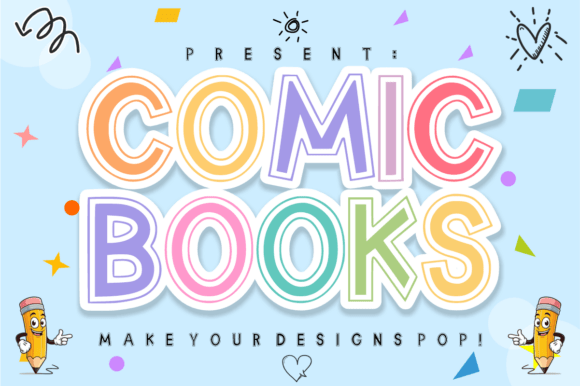
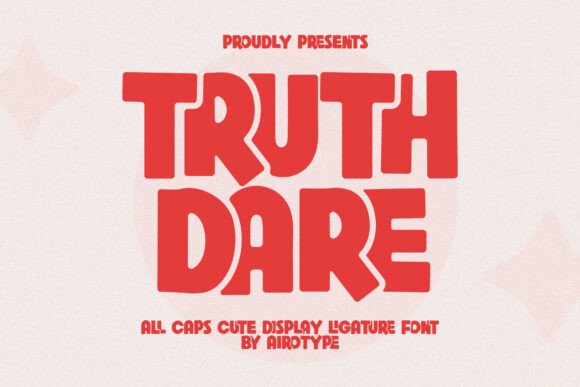
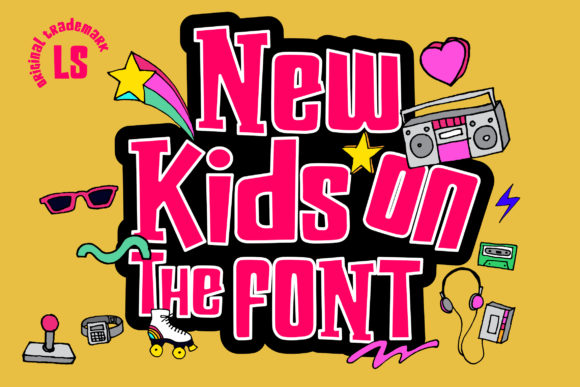
At its heart, this typeface is a celebration of childhood energy and straightforward charm. Its rounded, slightly irregular letterforms mimic the authentic feel of hand-drawn characters, avoiding the sterility of perfect geometry. The visual personality is unmistakably cute and colorful, making it an instant fit for contexts where warmth and approachability are paramount. It’s not just a creative font; it's a design asset that carries a specific emotional tone.
Consider a local daycare center revamping its brand identity. Using a standard, corporate sans serif would feel cold and disconnected. Swapping in this playful typeface for their logo, signage, and parent communication instantly aligns their visual language with their mission: a safe, engaging, and joyful environment for kids. The font does the heavy lifting of establishing trust and personality before a parent even reads a word.
Practical Applications Across Media
The utility of a well-crafted display font extends far beyond a single logo. Its true value is unlocked when applied consistently across a suite of materials, creating a cohesive visual experience. Here’s how this particular style can be integrated into real-world projects:
- Brand Collateral: Perfect for business cards, letterheads, and thank-you notes for children's boutiques, toy stores, or educational apps. It reinforces brand recognition with every touchpoint.
- Packaging Design: On shelf for snacks, crafts, or party supplies, this font grabs attention. It communicates that the product inside is fun, safe, and designed with a younger audience in mind.
- Social Media Graphics: In the fast-scroll of Instagram or Pinterest, its bold, friendly shapes stand out. Ideal for quotes, event announcements for community centers, or promotional posts for family-friendly blogs.
- Print Materials: Think event posters for a school fair, flyers for a summer camp, or menus for a family restaurant. The readability at larger sizes ensures key information is communicated effectively.
- Digital Products & Web Design: Can be used for headers on a parenting blog, buttons in a kid-focused app, or section titles on a website for a pediatric dentist. It adds character without compromising the user experience when used strategically.
- Merchandise & Invitations: From birthday party invitations to custom t-shirts for a kids' sports team, the font adds a personal, handmade feel that commercial sans serif fonts often lack.
Making Smart Typographic Choices
While the charm of a playful font is evident, using it effectively requires a bit of strategy. The goal is to enhance communication, not hinder it. Here are some practical considerations for designers and creators:
Pairing with Purpose: A strong font pairing is essential. This display font works best when balanced with a clean, neutral counterpart. A simple, geometric sans serif font for body text ensures that paragraphs remain easy to read, while the headline font delivers the personality. Avoid pairing it with another highly decorative or script font, as this can create visual chaos.
Readability is Key: As with any display typeface, it's engineered for impact at larger sizes—headlines, titles, and short bursts of text. It is not intended for long-form reading. Using it for a 500-word article would be taxing on the eyes. Always prioritize your audience's comfort; a beautiful font that can't be read fails its primary task.
Testing in Context: Before finalizing a design, test the font in its intended environment. How does it look on a mobile screen versus a printed poster? Does it maintain its clarity when used on a busy background? Mockups are your best friend here.
Understanding the Package: A premium font often comes with more than just basic letters. Check for stylistic alternates, ligatures, or a set of complementary glyphs. These extras can add a unique touch to your logo design or headline, allowing for more customized and professional-looking typography.
Aligning Font Choice with Project Goals
Ultimately, the decision to use a font like this comes down to alignment. Does the visual personality of the typeface match the core message of your project? For a serious financial institution, the answer would be no. But for a creator launching a line of educational worksheets, a small business owner opening a whimsical café, or a marketer promoting a family-oriented event, the answer is a resounding yes.
It’s about building a visual connection. When a parent sees a flyer for a children's workshop set in this typeface, they instantly get a sense of the atmosphere: creative, welcoming, and focused on fun. That immediate, non-verbal understanding is powerful. It builds rapport and sets accurate expectations, which is the cornerstone of effective visual communication.
In a marketplace saturated with generic design, choosing a typeface with a distinct, authentic character can be a significant differentiator. It shows attention to detail and a deep understanding of your audience. Whether you're a graphic designer crafting a brand identity, a small business owner creating marketing assets, or a hobbyist designing a party invitation, the right font is a tool that speaks volumes. It turns ordinary text into an experience, and for projects that thrive on joy and connection, that experience is everything.