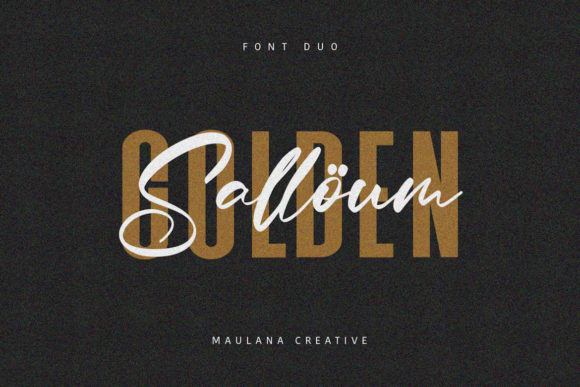
Salloum Golden Font Duo: Crafting Authentic Brand Stories
There's a particular magic that happens when you find two typefaces that not only coexist but genuinely enhance one another. It's like watching two musicians who've played together for years—each knows when to step forward and when to support. That's exactly the feeling you get when working with Salloum Golden Font Duo, a pairing that brings together the warmth of a hand-drawn script with the reliability of a structured sans serif. For anyone building a brand, designing packaging, or putting together social media content that actually stops the scroll, this kind of thoughtful font combination is worth exploring.
Why This Font Pairing Works So Well
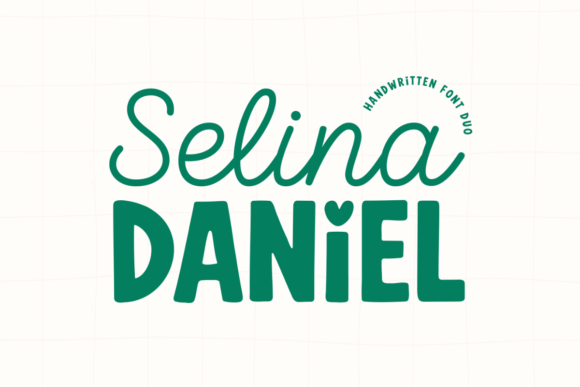
At its core, the appeal of this creative font duo lies in contrast and balance. The script component carries the energy of something made by hand—slightly imperfect, deeply personal, and full of character. It's the kind of typeface that feels like it was written with intention, maybe even with a brush pen on textured paper. Then there's the sans serif companion: clean, modern, and grounded. It doesn't compete for attention. Instead, it provides structure and clarity wherever the script might feel too expressive on its own.
This dynamic matters more than most people realize. When every element in a design is loud, nothing stands out. When everything is understated, the result can feel flat. The Salloum Golden Font Duo sidesteps both problems by giving you a ready-made system where contrast is already baked in. You get the personality of a handwritten font paired with the legibility of a geometric sans serif, and both share enough visual DNA to feel like they belong together.
Where This Font Duo Truly Shines
Think about the projects where authenticity and professionalism need to coexist. A small-batch candle company designing labels for its new seasonal collection. A wedding photographer creating a brand identity that feels both elegant and approachable. A food blogger designing a cookbook cover that needs to look polished but not corporate. These are the spaces where a font pairing like this earns its place in your design toolkit.
For logo design, the script style works beautifully as the hero element—maybe the business name rendered in flowing letterforms—while the sans serif handles supporting text like a tagline or location. This layered approach creates visual hierarchy without requiring extra design elements. The result feels cohesive rather than cluttered, which is exactly what effective brand identity work demands.
Packaging design is another area where this typeface duo practically does the heavy lifting for you. Imagine a craft chocolate bar wrapper where the product name sweeps across the front in the script style, and the flavor description, weight, and ingredients list sit neatly below in the sans serif. That combination communicates artisan quality while still meeting the functional requirements of clear, readable product information. It's a win on both the emotional and practical fronts.
Practical Applications Across Creative Projects
The versatility here is genuinely impressive. Consider how many different contexts benefit from a typeface pairing that balances expressiveness with readability:
- Social media graphics where you need a headline that grabs attention and body text that people can actually read on a small screen
- Website headers and hero sections where a script font sets the mood without sacrificing navigation clarity
- Print materials like business cards, letterheads, and brochures where both personality and professionalism matter
- Invitations and stationery for events, launches, or personal correspondence
- Editorial layouts in magazines or lookbooks where pull quotes and body copy need distinct voices
- Merchandise like tote bags, t-shirts, or mugs where text needs to read well at various sizes
- Digital products such as e-book covers, course graphics, or downloadable planners
- Marketing assets including email headers, sale banners, and promotional flyers
What makes this particularly useful for small business owners and entrepreneurs is the time it saves. Instead of spending hours testing different font combinations—wondering whether that serif actually works with that script, adjusting letter spacing, second-guessing your choices—you start with a pairing that's already been designed to work in harmony. That's hours you can redirect toward the actual creative work of building your project.
Getting the Most from Your Font Pairing
Even with a well-designed font duo, a few practical considerations will help you get stronger results. First, think about hierarchy. Decide early which style carries the primary message and which supports it. In most cases, the script works best at larger sizes for headlines, names, or featured phrases, while the sans serif handles everything from subheadings to body copy to fine print. Mixing this up occasionally is fine, but a consistent system makes your designs feel more intentional.
Second, pay attention to readability at the actual size your audience will encounter. A script font that looks gorgeous on your 27-inch monitor might become illegible when someone views it on a phone screen or from across a retail space. Always test your designs in the context where they'll be seen. Print a physical sample of your packaging. Pull up your social media graphic on a mobile device. Walk across the room and look at your poster. These simple checks catch problems before they reach your audience.
Third, don't overlook the technical side. Review what styles and weights are included with the typeface. Many premium fonts come with alternates, ligatures, or stylistic sets that give you more creative flexibility. Understanding what's available means you can customize letterforms to better fit your specific project rather than settling for default settings.
Building Visual Consistency Across Touchpoints
One of the most overlooked benefits of using a cohesive font pairing is how it strengthens brand recognition over time. When your website, packaging, social media posts, invoices, and printed materials all use the same typographic system, your audience starts to recognize your brand even before they read the words. That kind of visual consistency builds trust. It signals that you've put thought into how your business presents itself, which translates into credibility in the minds of potential customers.
This is especially valuable for content creators and bloggers who publish across multiple platforms. Using the same font pairing on your Instagram graphics, your Pinterest pins, your blog headers, and your downloadable resources creates a thread that ties everything together. Your audience might not consciously notice the typography, but they'll feel the coherence—and that feeling keeps them coming back.
A Few Words on Licensing and Commercial Use
Before you commit any font to a commercial project, it's worth reviewing the licensing terms carefully. Different typeface designers and foundries have different rules about how their fonts can be used. Some licenses cover personal use only, while others allow commercial applications across print and digital. If you're designing for clients, selling merchandise, or using the font in products you distribute, make sure your license covers those uses. It's a small step that protects both you and the typeface creator, and it's simply good practice for anyone working in design professionally.
The Salloum Golden Font Duo represents that sweet spot where artistry meets functionality. It gives you the tools to create designs that feel handmade and human without sacrificing the clarity and structure that professional projects demand. Whether you're a seasoned designer looking for a fresh pairing or a small business owner building your first brand identity, having a reliable font duo in your toolkit makes the entire creative process smoother—and the results more compelling.