Six Sound Font: The Typeface for a Digital-First Future
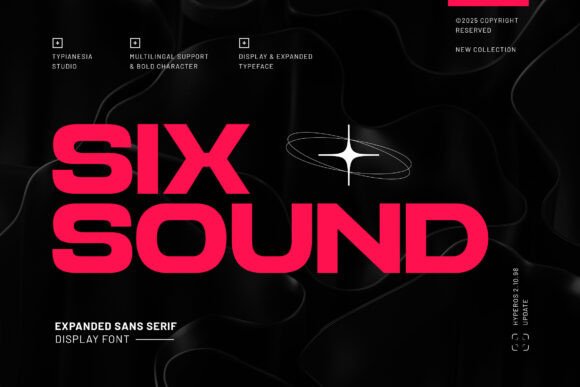
There's a moment in every design project where the font choice either locks everything into place or sends you scrambling back to the drawing board. If you've been chasing that perfect blend of futuristic energy and clean readability, the Six Sound Font might be the missing piece you didn't know you needed. This modern expanded sans serif carries a distinctive personality — bold, wide, and unmistakably forward-thinking — that speaks directly to the visual language of technology, gaming, and contemporary branding.
What Makes This Typeface Stand Out
Six Sound isn't just another sans serif font sitting in your library waiting to be forgotten. It was designed with intention: every curve, every proportion, every stroke weight serves a specific aesthetic purpose. The expanded letterforms give text a commanding presence on screen and in print, while the clean geometric structure keeps things legible even at smaller sizes. That balance between boldness and clarity is harder to achieve than most people realize.
What sets this typeface apart from generic futuristic fonts is its versatility. Some display fonts look incredible at 72-point headlines but fall apart when you try to use them for body text or UI elements. Six Sound handles both extremes with confidence. The uppercase letters have that unmistakable tech-forward authority, while the lowercase characters maintain a friendlier, more approachable tone. That duality makes it genuinely useful across a wide range of projects.
The font package includes uppercase and lowercase letters, punctuation, full numerals, ligatures, and stylistic alternates. Multilingual support means you're not locked into English-only projects. If you're working with international clients or building a brand that needs to communicate across borders, those details matter more than you might expect.
Where This Font Actually Works in Real Projects
Let's talk practical applications, because a font is only as good as the problems it solves. If you're designing a game title or building out an esports brand identity, Six Sound fits that world naturally. The wide proportions and bold weight read as competitive, high-energy, and digitally native — exactly the visual cues that audience responds to.
But gaming is just the starting point. Consider how this typeface performs in these scenarios:
- Logo design for tech startups, SaaS companies, or app-based businesses that need to look innovative without sacrificing professionalism
- Packaging design for electronics, energy drinks, fitness supplements, or any product line targeting a younger, tech-savvy demographic
- Social media graphics where you need text to pop against busy backgrounds and stop someone mid-scroll
- Website headers and hero sections that set the tone for a modern, cutting-edge brand experience
- Streaming graphics and overlays for content creators who want a cohesive, professional look across their channel
- Poster and flyer design for events, product launches, or promotional campaigns with a futuristic theme
- Merchandise like t-shirts, hoodies, and stickers where bold typography needs to work at various sizes and on different materials
- Editorial layouts for magazines, blogs, or digital publications covering technology, innovation, or gaming culture
- App interfaces and dashboard designs where clean, modern typography supports usability and aesthetic appeal simultaneously
The font also holds up well in less obvious contexts. I've seen designers use similar expanded sans serifs for wedding invitations with a modern minimalist theme, restaurant branding that leans into a contemporary industrial aesthetic, and even book covers for science fiction novels. The key is understanding what visual message you're trying to send and whether this typeface reinforces that message.
Improving Your Visual Communication
Typography does heavy lifting that most people never consciously notice. The right font choice influences how trustworthy a brand feels, how easy a website is to navigate, and whether someone actually reads past the first paragraph. Six Sound contributes to several important design outcomes.
Visual consistency becomes easier when you have a typeface that works across multiple contexts. Instead of cobbling together three or four different fonts for a brand system, you can use Six Sound's various styles — from bold headlines to lighter supporting text — to create a unified look. That consistency builds recognition over time. People start associating specific typographic patterns with your brand before they even read the words.
Readability is where many futuristic fonts fail spectacularly. They look cool in a mockup but become a chore to read in practice. Six Sound's character design prioritizes clarity without abandoning its distinctive personality. Each letterform is crafted so that individual characters remain distinguishable, even in dense text blocks or at reduced sizes on mobile screens.
Professional presentation matters whether you're pitching to investors, publishing content for your audience, or delivering work to a client. A premium font signals that you take your craft seriously. It's a subtle detail, but it accumulates. The difference between a design that looks polished and one that looks amateur often comes down to typography choices that most viewers can't articulate but definitely feel.
Getting the Most From Your Font Choice
Before you commit to Six Sound for a project, spend some time testing it in context. Drop it into your actual design files rather than evaluating it in isolation. A font that looks stunning on a specimen page might feel too heavy or too light once it's competing with your color palette, imagery, and layout structure.
Font pairing deserves attention too. Six Sound's expanded, geometric personality works well alongside simpler companion typefaces. Try pairing it with a clean, neutral sans serif for body text, or contrast it with a subtle serif for editorial projects where you need visual hierarchy without clashing styles. Avoid pairing it with other display fonts that fight for attention — the result usually feels chaotic rather than dynamic.
Pay attention to letter spacing and line height adjustments. Expanded fonts sometimes benefit from slightly tighter tracking in headlines and more generous line spacing in longer passages. These micro-adjustments separate good typography from great typography.
Review the included stylistic alternates and ligatures before starting your project. These alternate characters can add personality to logos, monograms, or feature text in ways the standard character set can't. Swapping in an alternate "a" or "g" might seem like a minor decision, but it can completely change the feel of a headline or brand name.
Finally, make sure you understand the licensing terms before using the font in commercial projects. Most premium fonts come with clear usage guidelines, but it's worth confirming whether your specific application — whether that's a client project, a product line, or a digital download — falls within the permitted uses. Protecting yourself legally is just as important as nailing the aesthetics.
The best typography decisions happen when you match the font's personality to your project's goals rather than chasing trends. Six Sound Font brings a specific energy — modern, bold, technologically confident — and when that energy aligns with what you're trying to communicate, the results speak for themselves.