Canterpids Font Duo: Where Elegance Meets Versatility
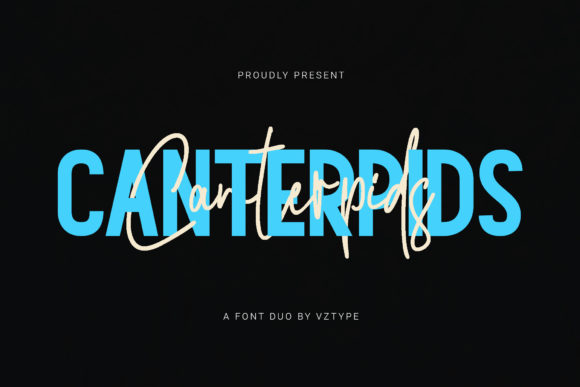
Finding a typeface that feels both personal and polished can be a real challenge. You want something with character, a font that whispers a story, but it also needs to be clear, professional, and adaptable across a dozen different applications. That’s the sweet spot the Canterpids Font Duo occupies so beautifully. It’s a comprehensive pairing of a flowing script and a clean, complementary display font, designed to work in harmony or stand confidently on its own. This isn't just another script font; it's a considered system for adding a branded, delicate touch to a wide array of creative work.
A Study in Contrasting Harmony
The magic of this particular premium font duo lies in its built-in contrast. The script font style is where the personality shines. It has the organic, slightly irregular flow of a skilled handwritten font, but it’s been carefully refined for legibility and consistency. Think of the elegant loops in a 'g' or the gentle connection between letters—these details create a sense of authenticity and warmth. It’s perfect for headlines, short quotes, or any element where you want to evoke emotion and craftsmanship.
Paired with it is the display font. This style is cleaner, more structured, and often more geometric. It provides a stable, modern counterpoint to the script’s fluidity. This isn't a serif font or a standard sans serif font in the traditional sense; it’s a unique typeface designed specifically to complement the script’s curves and angles. Using the two together creates a dynamic visual hierarchy that guides the viewer's eye effortlessly. You get the best of both worlds: the expressiveness of a script and the clarity of a display face.
Practical Applications for Real-World Projects
Understanding where to use a font is just as important as liking how it looks. The versatility of the Canterpids Font Duo makes it a valuable design asset for numerous projects. Let’s break down some practical, real-world scenarios.
For Branding and Logo Design: A strong brand identity often hinges on a distinctive logo. The script style can form the core of a logo for a boutique, a florist, a photographer, or a lifestyle brand, instantly conveying a handcrafted feel. The display font then works perfectly for the tagline, business name on secondary materials, or website navigation, ensuring everything feels cohesive. This duo allows you to build a full visual language from a single, unified source.
For Packaging and Print Materials: Imagine the script font gracing a product label for artisanal goods, a bakery box, or a candle jar. It adds that immediate perception of care and quality. The display font can then handle the ingredient lists, weight descriptions, or company information with superior readability. This same principle applies to posters, invitations, and menus, where you need a captivating headline and clear body copy.
Digital Presence and Marketing: In the fast-paced world of social media graphics, a cohesive and recognizable look is crucial. Using the script for a quote graphic and the display for the supporting text or your handle creates a signature style your audience will learn to associate with your brand. For web design, the display font is ideal for headings and buttons, offering excellent on-screen clarity, while the script can be used sparingly for accent text or special call-outs to maintain that branded feel. It’s a fantastic choice for blog headers, email newsletter graphics, and digital product covers.
Making It Work: Tips for Effective Use
Having a great tool is one thing; using it effectively is another. Here are some practical considerations for implementing this creative font duo.
- Choose the Right Style for the Job: Ask yourself about the project's primary goal. Is it to evoke emotion and elegance? Lead with the script. Is it to communicate information clearly and with a modern edge? Lead with the display font. Often, the most effective designs use the script for a single, impactful headline and the display for subheadings and body text.
- Test for Readability: Always test your typography in context. The script font, while legible, is best suited for larger sizes. Avoid using it for long paragraphs of body copy. The display font, with its cleaner lines, is your workhorse for any text that needs to be read easily at smaller sizes, whether on a screen or in print.
- Explore the Font Pairing: Don’t feel locked into using both styles together. Sometimes a project calls for a more understated approach. The display font can pair wonderfully with a simple sans serif font for a very clean, corporate look. Conversely, the script can be combined with a sturdy serif font for a classic, editorial feel in editorial design or book covers. Experiment to see what serves the project best.
- Review All Included Styles: A comprehensive font duo often includes more than just the basic letters. Check for alternates, ligatures, and special characters. These extras can add a truly custom, professional touch to your logo design or headline, preventing repetitive letter shapes and enhancing the overall flow.
- Understand Commercial Licensing: Before using any font in a commercial project—whether it's for a client, for merchandise you're selling, or for a business's marketing assets—it's essential to understand the license. Ensure the license covers your intended use. Most premium fonts like this come with a license that permits broad commercial use, but it's always your responsibility to check the terms to avoid issues down the line.
The true value of a resource like the Canterpids Font Duo is in its ability to solve multiple design problems with a single, cohesive solution. It provides the tools to build a visual identity that is both emotionally resonant and functionally robust. By thoughtfully applying its two styles, you can create designs that feel intentionally crafted, professionally presented, and deeply connected to your project's core message. It’s about giving your work a voice that is unmistakably yours.