Cogley: The Vintage Serif Font for Modern Branding
You know the feeling when you're scrolling through a design feed, and one particular logo or poster just stops you? It feels familiar yet fresh, classic but somehow contemporary. More often than not, that magnetic quality comes down to a smart typographic choice—one that carries history and personality without feeling dated. That’s the exact space the Cogley font occupies. It’s a serif typeface with a distinct vintage and retro aesthetic, but its clean execution makes it incredibly versatile for today’s design landscape.
A Typeface That Tells a Story
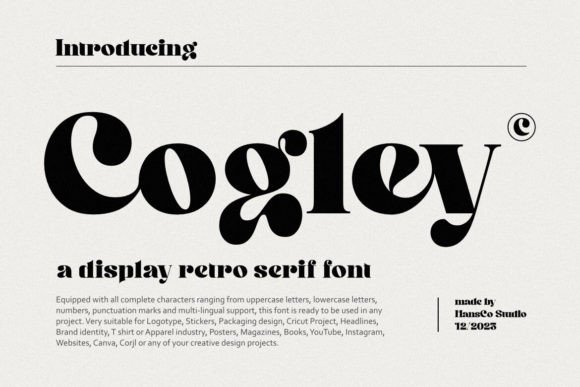
What sets Cogley apart is its ability to evoke a sense of heritage and reliability. Its serifs—the small strokes at the ends of letterforms—are designed with a subtle, rounded elegance that feels both warm and authoritative. This isn't a stiff, old-fashioned book font. Think of it as the typography you might see on a premium coffee bag, a boutique clothing label, or the masthead of an indie magazine. It has character, but it doesn't shout. This balance makes it a powerful tool for projects that need to establish trust and authenticity while still feeling stylish and relevant.
Visually, the font offers a complete toolkit. It includes full uppercase and lowercase sets, numbers, punctuation, and multi-lingual support. This means you’re not limited to basic English headlines. You can use it for international brand messaging, detailed product information on packaging, or editorial content without worrying about missing glyphs. It’s a premium font built for real-world application, where consistency across every character is non-negotiable.
Where Vintage Meets Versatility: Practical Applications
The true test of any creative font is how it performs across different mediums. Cogley’s retro serif style shines in a surprisingly wide range of projects. For brand identity work, it can be the cornerstone of a logo that needs to feel established and trustworthy. Imagine it paired with a simple sans-serif for body copy on a website—the contrast creates a dynamic visual hierarchy that’s both professional and engaging.
For those in the packaging design or apparel industry, Cogley adds that instant touch of quality and craftsmanship. It’s perfect for product names, taglines, or care instructions on hangtags. On social media graphics, a bold heading set in Cogley can make a promotional post or an Instagram quote stand out in a fast-moving feed. Its clarity ensures readability even at smaller sizes, which is crucial for web design and blog headers where you have seconds to capture attention.
Think beyond digital, too. For print materials like wedding invitations, event posters, or business cards, the font brings a tactile, classic feel. For crafters using platforms like Cricut, its clean outlines make it suitable for vinyl decals and custom projects. Essentially, if your project benefits from a touch of modern typography with a soul, Cogley is a serious contender.
Pairing for Purpose: A Designer's Practical Guide
Choosing a font is only half the battle; pairing it effectively is where the magic happens. Cogley, as a display font, works best for headlines, logos, and short bursts of impactful text. To maximize its effect, consider these practical tips:
- Contrast is Key: Pair Cogley with a clean, geometric sans serif font for body text. This creates a pleasing visual contrast that enhances readability. The vintage serif draws the eye, while the modern sans-serif keeps paragraphs easy to read.
- Mood Matching: For a full retro vibe, you could pair it with a subtle script font or handwritten font for accents, but use this sparingly to avoid visual clutter. The goal is complement, not competition.
- Test for Context: Always test your font pairing in the context of your final design. How does it look on a mobile screen versus a printed brochure? Does the letter spacing (tracking) need adjustment for your headline? These small tweaks separate good design from great design.
- Consider the Hierarchy: Use Cogley for your primary message (H1, logo), a secondary weight or style for subheadings (H2, H3), and your paired font for all body copy. This creates an intuitive flow for the viewer.
Beyond Aesthetics: The Business of Font Choice
For small business owners and entrepreneurs, typography is a silent ambassador for your brand. A font like Cogley can subtly communicate values of tradition, quality, and attention to detail—without saying a word. Consistent use of a specific typeface across your marketing assets, from your website to your email newsletters to your product stickers, builds visual recognition. Over time, customers start to associate that specific typographic style with your business.
It’s also worth reviewing the specific styles included with the font family. Does it come with bold, italic, or condensed variations? Knowing this helps you plan your brand identity system more effectively, ensuring you have the tools to create emphasis and variety while maintaining a cohesive look. Furthermore, for any commercial project, always confirm the licensing. A reputable commercial font will have clear licensing that covers your intended use, whether it's for a client's logo, merchandise for sale, or a digital product you create.
In the end, finding the right typeface is about matching personality with purpose. Cogley offers a compelling blend of nostalgic charm and functional clarity. It’s a design asset that can help you craft stories, build brands, and connect with your audience on a visual level that feels both timeless and intentional. So, the next time you’re starting a project that needs a touch of warmth and authority, consider giving this vintage serif a place in your toolkit. You might just find it’s the missing piece that brings your entire creative vision together.