Why the Love Story Font Feels Like a Friendly Wave
There is a specific kind of magic that happens when a design stops feeling like a corporate brochure and starts feeling like a conversation. We often get so caught up in the technicalities of layout, color theory, and negative space that we forget typography is the voice of our visual communication. If your brand were a person, would they be wearing a stiff, starched suit, or would they be wearing a comfortable, colorful sweater? For those of us working on projects that require warmth, approachability, and a sense of joy, finding a typeface that captures that "human" element is crucial. Enter the Love Story Font. It is not just a collection of letters; it is a design asset that brings a specific personality to the table. It is bubbly, chunky, and inherently friendly, making it a standout choice for anyone looking to inject a dose of playfulness into their work.
The Visual Anatomy of a Bubbly Typeface
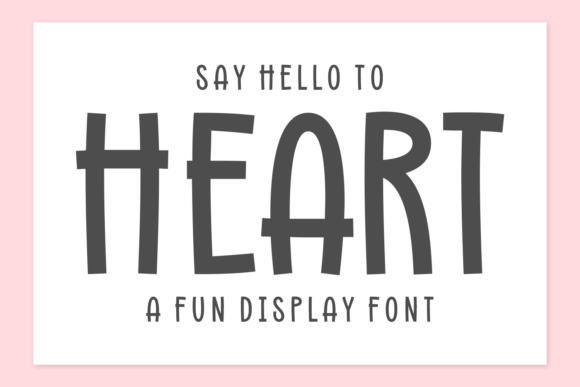
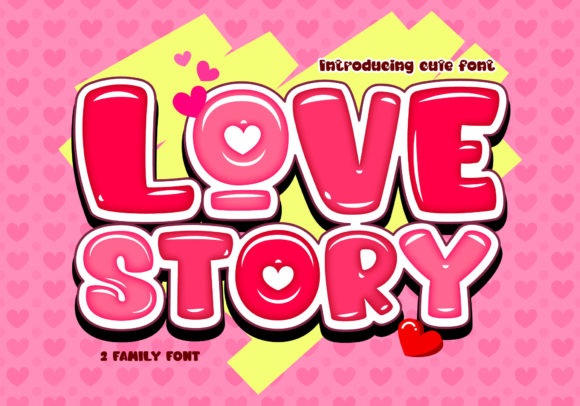
When we talk about the Love Story Font, we are describing a display font that prioritizes character over strict geometric precision. Unlike a rigid sans serif font that you might use for long paragraphs of body text, this typeface is designed to be seen. It features rounded edges and a "chunky" weight that gives it a substantial presence on the page or screen. This visual weight is important because it creates an immediate sense of stability and friendliness. Sharp, angular fonts can sometimes feel aggressive or overly serious, but the soft curves of a bubbly font subconsciously signal safety and approachability to the viewer.
The authenticity of the Love Story Font lies in its refusal to take itself too seriously. In a world saturated with minimalist, cold modern typography, a font that embraces playfulness stands out. It captures the look of hand-lettering without the inconsistency of actual handwriting, bridging the gap between a script font and a structured display face. This makes it incredibly versatile for specific use cases where clarity is important, but so is tone. You want your audience to smile, to feel welcomed, and to understand that the content ahead is going to be engaging and lighthearted.
Practical Applications: Where Playfulness Meets Professionalism
One of the most common misconceptions in design is that "fun" fonts cannot be professional. This is simply not true. The key is knowing where to use them. The Love Story Font is a powerhouse for creative projects, but its application needs to be strategic to maintain a professional presentation. It excels in high-visibility areas where you need to grab attention quickly. Think of the headers on a website, the main title on a poster, or the logo for a brand that targets families and children.
For small business owners and entrepreneurs, this font can be a game-changer for brand identity. If you are running a daycare, a tutoring center, a pediatric clinic, or a toy store, your typography needs to speak the language of both the parent and the child. Using a premium font like this for your logo design ensures that your brand feels established yet accessible. It tells your customers, "We are professionals, but we are also here to have fun." It is also an excellent choice for packaging design, particularly for products aimed at a younger demographic. Imagine a cereal box or a juice carton; the chunky, friendly letters make the product feel inviting and appetizing.
Digital Presence and Social Media Graphics
In the realm of digital products and online marketing, the Love Story Font shines brightly. Content creators and marketers are constantly battling for attention in crowded feeds. A standard serif or sans serif caption might get scrolled past, but a bold, bubbly headline stops the thumb. This makes it an ideal candidate for social media graphics. Whether you are creating Instagram stories, Pinterest pins, or Facebook ads, using this typeface for your call-to-action or headline creates an immediate visual hook.
Furthermore, this font works beautifully for blogs focused on lifestyle, parenting, or creative hobbies. It sets a tone that is relatable and down-to-earth. However, when applying it to web design, it is vital to consider readability. While it is perfect for H1 and H2 headings, you should avoid using a display font like this for your main body copy. Long blocks of text in a bubbly font can be difficult to read and may cause eye strain. Instead, pair it with a clean, simple sans serif font for the paragraphs to ensure your content remains legible while keeping the overall aesthetic playful.
Print Materials and Real-World Merchandise
Moving beyond the screen, the physical applications of the Love Story Font are vast. For crafters and hobbyists, this font is a dream for creating invitations and party supplies. Birthday invitations, baby shower announcements, and school event flyers all benefit from the warm, inviting nature of this typeface. It sets the mood instantly; before the guest even reads the details, the font style tells them this is going to be a fun event.
For those in the merchandise business, consider how this font translates to T-shirts, tote bags, or stickers. The "chunky" nature of the letters ensures that they hold up well when printed, even at smaller sizes or on textured fabrics. Unlike thin, delicate script fonts that might disappear on a busy background, the bold strokes of the Love Story typeface ensure high contrast and visibility. It is also a fantastic asset for editorial design in magazines or zines targeting youth culture or creative industries. It adds a layer of texture and personality that standard corporate fonts simply cannot provide.
Mastering Font Pairings and Visual Consistency
One of the most critical skills in typography is learning how to mix and match. Font pairing is the art of combining two distinct typefaces to create a harmonious hierarchy. Since the Love Story Font has such a strong personality, it requires a grounding partner. As a general rule of thumb, contrast is key. Because Love Story is rounded, soft, and display-oriented, you want to pair it with something that is clean, geometric, and neutral.
A classic sans serif font like Helvetica, Open Sans, or Lato often works best for the supporting text. This creates a clear distinction between the headline (the emotional hook) and the body text (the informational delivery). By maintaining this consistency across your marketing assets, you build brand recognition. Your audience will start to associate that specific playful style with your business. Whether they see a poster, a website, or a social media post, the typography acts as a visual anchor that ties everything together.
Making the Right Choice for Your Project
Choosing the right font is ultimately about alignment with your project goals. Before downloading or purchasing a premium font, ask yourself who you are trying to reach. If your target audience is corporate executives or luxury consumers, a bubbly font might undermine your credibility. However, if your goal is to engage parents, children, educators, or creative communities, the Love Story Font is an incredibly effective tool.
It is also worth considering the licensing. If you are using this for a personal hobby, standard licenses are usually sufficient. But if you are creating commercial products—like selling T-shirts or using the font in a paid client logo—you must ensure you have the appropriate commercial font license. This protects you legally and ensures the font creator is compensated for their work. By investing in a high-quality typeface like this, you are not just buying letters; you are buying a piece of design craftsmanship that elevates your work above the noise of generic, overused system fonts.